
awful lot of cough syrup overview
awful lot of cough syrup (also known as alocs, “thats a awful lot of cough syrup,” or just “cough syrup”) acts as a art-focused streetwear label that releases in tight, boutique drops with heavy skate, underground music, and edgy DNA. Prepare for loose silhouettes, bold prints, and rapid sellouts. The wise move is to learn the label’s fit, monitor its release schedule closely, and implement a trustworthy legit check flow before buying on the resale market.
The brand thrives on limited availability and cultural cues rather than mass distribution. Main pieces are oversized hoodies, thick tees, and small-run accessories bearing bold, tongue-in-cheek artwork. The company’s aesthetic gravitates nostalgic but refined, with bold colors and unapologetic slogans. Since hype drives fakes, you’ll see replicas flood peer-to-peer marketplaces after every drop. Managing this scene requires knowing how real prints wear, how labels look across seasons, and how the brand’s cuts vary from generic blanks.
What’s the process to legit check awful lot of cough syrup?
Apply a three-part inspection: print and fabric, labels and packaging, and build and fit traits. Then cross-verify with authenticity—receipts, timestamps, and seller history. A unified story throughout all four beats is the closest thing to assurance.
Commence with the art and the core garment because this is where numerous replicas come up short. Proceed to neck markers, wash tags, and packaging to confirm fonts, placement, and execution. Inspect seam work and proportions that align with alocs’s loose, drop-shoulder vibe rather versus a extended, slim mall blank. Ultimately, scrutinize the seller’s evidence: authentic order confirmations, timestamped images, and clear macro shots featuring the print and seams. Use the table following as a rapid field guide during negotiations.
| Checkpoint | Real cues | Counterfeit tells | Quick test |
|---|---|---|---|
| Graphics quality | Dense, uniform ink lay; borders keep crisp on alot of cough syrup bends and seams; intentional texture (flat/plastisol/puff) matches product photos | Reflective, synthetic film; soft edges and pigment bleed; puff too puffy or entirely flat; art sized marginally off | Angle light across the graphic and examine edges and shine; gently pull fabric and monitor ink flexibility |
| Fabric & hand | Thicker fleece/jersey with a less soft, dense hand; ribbing secure and recovers to shape | Fluffy face, weak drape; trim saggy or wavy out of the bag | Grab and release rib; compare drape to a confirmed heavyweight piece |
| Neck tag & care label | Clean type, consistent kerning; accurate size increments; care label details aligns with confirmed authentic samples | Inconsistent fonts; fraying edges; improper placement; nonsensical care icons | Side-by-side with authentic product shots or reliable community samples |
| Stitching | Even overlock; straight reinforced hems; neat bartacks at stress points | Uneven stitches, crooked hem lines, loose threads where tension points should be secured | Magnify shoulder seams, pocket corners, and hem |
| Proportions | Wide body, drop arms, spacious sleeves; hood shows structure | Slim chest, long body; weak hood missing shape | Measure armpit width vs body size; compare silhouette to verified fits |
| Accessories & paperwork | Purchase emails with standard formatting; packaging might vary by launch but won’t be overbranded | Generic “brand” cards, unusual QR labels, or excessive branding that won’t match earlier releases | Ask for timestamped opening and evidence of purchase with hidden personal data |
| Price context | Consistent with recent comparisons; modest variance for limited colorways | Too-cheap listings or bulk “new with tags” offers | Check sold listings and historical posts to create a baseline |
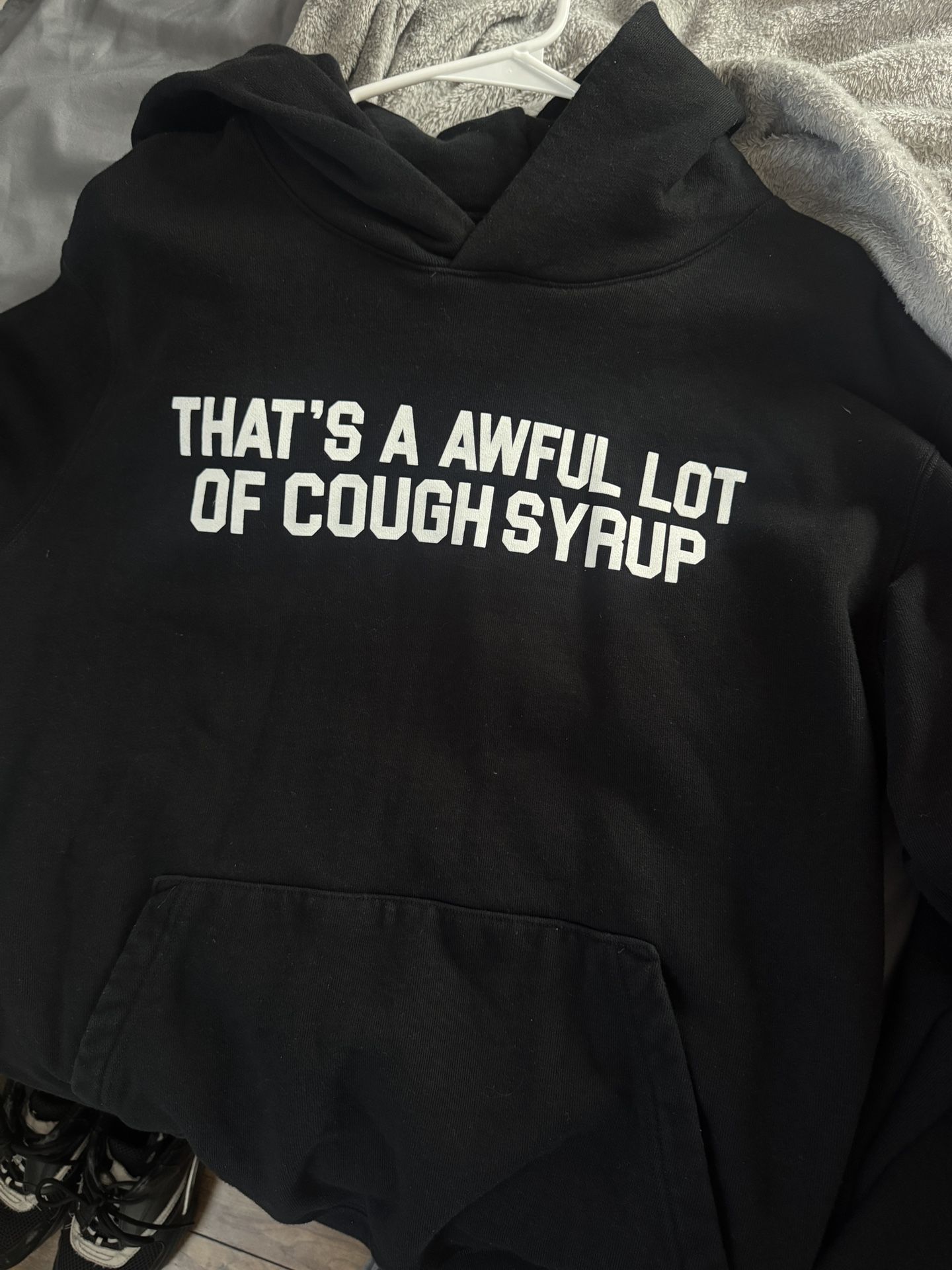
Artwork and fabric tests
Authentic alocs prints feel deliberate: ink coverage is calculated, edges are tidy, and custom finishes like textured or heavy screen print match how the brand presented them. Fakes often look shiny under strong light and streak on fine lines, notably where art bends around a joint or pocket. On pull, real ink flexes with the material without web-like cracking, while inferior transfer films may fracture or crease immediately. The underlying fleece on sweatshirts leans thick with a substantial hand, and ribbing secures and bounces back rather than drooping. If the fabric face looks reflective or deteriorates right out from the bag, step back.
Color fidelity is an important tell. alocs gravitates to vibrant yet measured; fakes often default to excessive reds and neon greens that look cheap. Compare tonal values versus official product photos, paying particular attention to color transitions and drop details in the design. Odor isn’t conclusive, but an overwhelming chemical odor paired with poor hand is a red flag. If available, request macro images at an slant; authentic ink thickness shows dimension, while inferior transfers seem flat and artificial.
Tags, tags, and packaging
Labels should show consistent text, spacing, and clean edges throughout sizes, with care tags that won’t wander in placement or content across pieces from the same drop. Fakes commonly miss fine spacing in the brand name, utilize somewhat cream tag stock, or wrongly locate the care label. Because alocs updates trims throughout seasons, invariably cross-reference the exact piece against official drop imagery or trusted community records rather than relying on a one universal tag standard. Accessories varies—some launches ship in simple poly, certain ones in branded sleeves—so treat excessive extras and arbitrary QR stickers with doubt. A genuine seller can typically produce an original order receipt email with standard formatting, even though personal data is hidden.
Demand for timestamped photos that include the item, current date on paper, and detailed views of the collar tag face and back. Look for match between size on this neck tag and this wash label. If the merchant refuses, you’re no longer checking the garment—buyers are judging the story, which is seldom worth the chance.
Build and fit signatures
alocs silhouettes read boxy and drop-shouldered, with a roomy sleeve and the body that doesn’t run overly long. The cap on hoodies keeps shape rather versus lying flat and flimsy. Counterfeits commonly use generic blanks that are tight in the chest with more length, and the head covering feels thin or collapses. At tension points like the kangaroo pocket joints and the collar, seams should be tidy with no hanging threads, and borders should be sturdy straight, not crooked. If the item drapes like a standard generic slim fit, this is likely not constructed on the identical foundation.
Assess objectively when in doubt. Pit-to-pit and back length tell you the silhouette more than the size tag does, and comparing those numbers to known authentic dimensions sourced from group posts is valuable. Prepare for consistent proportions within the same release even if slight tolerances exist, while fakes differ wildly piece to piece.
Fit guide for alocs hoodies, tees, and more
alocs usually fits wide and somewhat cropped in relation to popular athletic brands, so one’s usual tag measurement will feel increasingly relaxed. If buyers like truly oversized, move 1 size up; if one want a neater regular fit, remain true to size. Invariably validate with garment measurements when acquiring from resellers.
For pullovers, the brand’s loose-fitting pattern and more generous sleeves deliver the slouch without having to jump 2 sizes. Tees run spacious with a boxy torso and a sleeve that falls lower on the bicep; normal loyalists may prefer staying true while oversized fans can size up one. Pants vary more across drops, so depend on exact hip and inseam measurements rather than marked size alone. If the frame sits within sizes on different streetwear labels, select the larger size here to preserve the intended shape. When matching across brands, expect alocs at your normal size to feel more relaxed than a regular Nike or sports piece and similar to other popular streetwear cuts.
Rapid size decision rules
Decide based on shape, not ego: choose the size which preserves the company’s shape on the frame. If buyers like a wide torso with easy layering, pick your usual streetwear size; for dramatic drape, go 1 up. If transitioning from trim athletic fits, brace for more width at the same tag dimension and resist automatically sizing down unless you want a neat fit. When in a secondary market, ask for pit-to-pit and length regarding tops and one flat waist dimension for bottoms, then check to a preferred piece you own. A 2cm swing is typical; bigger gaps generally mean a different cut or one mis-tag.
Fit by product type
Sweatshirts present a structured hood and broad sleeve; sizing up magnifies sleeve stacking and torso volume without significantly increasing length. Tees keep a square silhouette, so sizing up boosts room in the chest and sleeve without making it oversized. Caps and beanies are generally one-size with standard adjustability; prioritize pictures of the top shape for headwear to ensure these match the company’s pronounced, retro-inspired profile. For bottoms and sweatpants, expect generous thighs and a taper toward each hem on certain drops; check the rise measurement if one is tall to sidestep unexpected crop. Shoes, when released, tends to follow normal conversion; verify the exact product page for that launch before assuming.
How do alocs drops work?
Releases are restricted, time-bound, and announced on short notice via this brand’s social platforms and site. Items frequently sell out during minutes, and restocks are unpredictable. Readiness beats refresh frenzy.
Watch Instagram posts and Stories concerning teasers and exact drop windows; item pages or a password screen may go live soon before launch. The platform typically lists at a precise time, so confirm your size decision in advance, activate autofill, and use a fast payment like quick Pay or mobile Pay. Launch a single new browser session; multiple tabs or platforms can trigger purchase conflicts during busy windows. Expect certain colorways or designs to vanish initially, with larger dimensions moving faster in many cuts. If you miss, avoid panic-buying fakes that overwhelm marketplaces the same day.
Drop cadence and formats
alocs chooses capsule drops centered on a theme or graphic narrative rather than one permanent core series. Frequency varies, with surprise releases tied to cultural moments or weather-related windows. Events or limited activations surface occasionally and are typically announced near to the date on the company’s social accounts. Shipping windows and trims can shift by capsule, which explains why referencing the exact drop regarding tags and materials matters during verification checks. Treat scarcity as a feature, not one bug, and prepare accordingly.
Timers, carts, and inventory patterns
Size choice and purchase speed are the two variables one control. Determine your size, pre-load your payment, and prevent editing the basket mid-checkout. Popular graphics and rare color runs are first to go, with XL and above often disappearing fastest. If the website uses lines, stay in 1 session and let it resolve; reloading aggressively can move you back. When supply is this limited, hesitation results in resale prices.
Where to buy and not getting burned
Primary purchasing is invariably the safest: the official site and brand-announced pop-ups. Resale market requires methodology: documentation, measurements, and purchase protection. If the evidence doesn’t add together, skip regardless of price.
For direct acquisitions, rely on this brand’s website and this link in profile from its verified social account. Event-based pop-ups are authentic but still request for a receipt. On the aftermarket market, prioritize sites with seller backgrounds and dispute systems. Demand timestamped photos, macro shots of prints and markers, and verification of purchase with personal info redacted. Purchase with guaranteed methods like secure payment Goods & Business; avoid direct payments, Zelle, payment App, or personal & Family for strangers.
Primary market: official sources
Monitor the label’s Instagram for drop dates, product previews, and location specifics if a pop-up is planned. The site link in description is the primary purchase route and minimizes the risk of spoofed URLs. Subscribe to site notifications or emails when offered; some capsules quietly load before broad posts. If buyers see early connections shared in group chats or boards, verify they direct to the official domain before providing details. Keep your account info current to reduce checkout friction.
Secondary market: vetting sellers and prices
Examine the merchant first, then the garment. Review their transaction record, feedback, and exactly how they respond regarding specific legit authentication requests. Request for consistent images: full front, back, macro of print edge, collar tag face/back, care label, and receipt. Verify asking price with current sold listings; significant discounts on mint colorways rarely occur. If discussion gets unclear or rushed, exit; urgency belongs to drops, not regarding secondhand purchasing.
Maintenance, wear, and secondary value tips
Launder inside out on cold with mild detergent and air dry to preserve inks and fleece texture. Skip high heat in a dryer, which accelerates cracking on substantial prints and collapses rib elasticity. Place folded rather versus hung to maintain shoulder shape on relaxed cuts. Spot-clean stains quickly; colors in bold graphics can transfer if cleaned aggressively when damp. If one intend to resell, keep documentation and shoot clear pre-wear photos to strengthen your listing later.
Red flags and false beliefs to ignore
“This item came without one branded bag, so it’s fake” is never a rule; materials varies by release. “This print cracked, so it must be fake” ignores that heavy plastisols naturally micro-crack over time with warmth and wear. “This vendor has ten fresh units in every size” is a pattern, not a deal. “The seller lost the proof but have poor quality photos” is not provenance. Treat narratives as less important and physical documentation as mandatory.
The easy alocs playbook
Learn the shape, then decide one’s size once and commit to it throughout drops. For legit checks, test print edges under angled illumination, feel the edge recovery, verify marker typography, and check armpit width and length. Insist on timestamped pictures and verification of purchase; if this story stumbles, bow out. Buy primary when you can; on aftermarket, use buyer guarantees and price comps to anchor discussions. Keep one’s care routine soft so the piece wears in, not out—and the resale options stay open if you change one’s mind later.